Our Little
Scotchy...
Scotchy is in everything you taste
when you feel the heat
Good Heat. Good Flava…
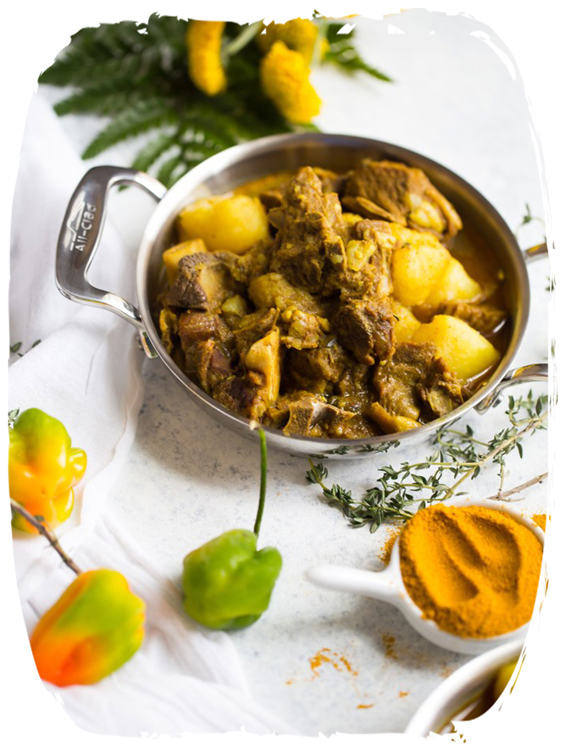
Scotch Bonnet Pepper Fast Facts
- Scoville heat units(SHU):1000,00-350,00SHU
- Median heat :225,00 SHU
- Original Carribean
- Capscum Species : Chinese
- Jaalapino reference scale : 12 to 140 times hotter
- Use : Culinary
- Flavour : Sweet, Fruity, Tropical, Rarthy
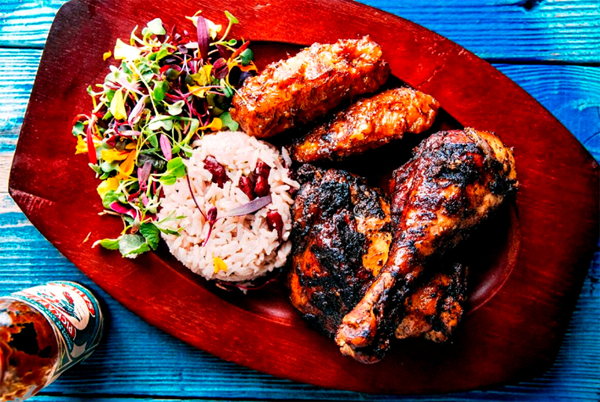
A scotch bonnet pepper may should timid, but it is nothing for the sort. It’s one of the spicier pepper. It is a very hot chilli pepper that has distinctive flavour and heat which makes it an essential for Jamaican cooking, including the well-known jerk chicken (or jerk pork)
The pepper is called Scotch Bonnet Pepper because it is not thin and long like most chillies but does look like a squashed Scottish hat. These pepper are often yellow, red, orange or green.
The Scotch Bonnet Pepper is often cut up or ground up with their items to season ingredients before cooking. Jamaican’s famous jerk recipes all contain scotch bonnet peppers. You just cannot make good jerk without it. Jamaicans will also put a whole scotch bonnet pepper in a pot of stew or fish “tea” (fish tea is a soup) and providing it does not burst, it will impart its unique flavour without the dish becoming spicy hot.

The History of Jamaican Jerk
What exactly is “Jerk” cooking
Jerk refers to way that a meat, be it chicken, beef, pork, goat, fish, vegetables or fruit it seasoned and cooked. This style comes from Jamaica. The typical cooking style uses a marinade or paste that includes at least pimento, which is often called allspice, and scotch bonnet peppers, also known as habenero. The meat is then marinated and slow smoked over pimento wood. Pimentia o pimento is a Spanish word for pepper and early European explorers mistook this for black pepper, so they called it pimento.
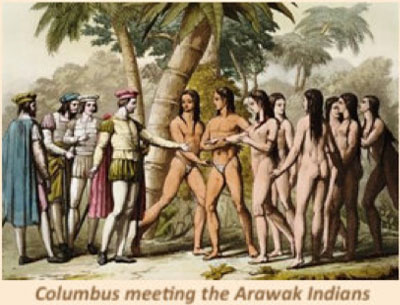
What did this style of cooking start?
Most historians agree Jamaica was settled by the Arawak Indians over 2500 years ago from South America. They used similar techniques to smoke and dry meat in the sun or over a slow fire, that were common in Peru. This was important as the dried beef could be taken or journeys and eaten as is or chopped and reconstituted in boiling water. This ancient technique goes on today and is known ‘JERK’